The Best Time of Year to Book Termite Control Services
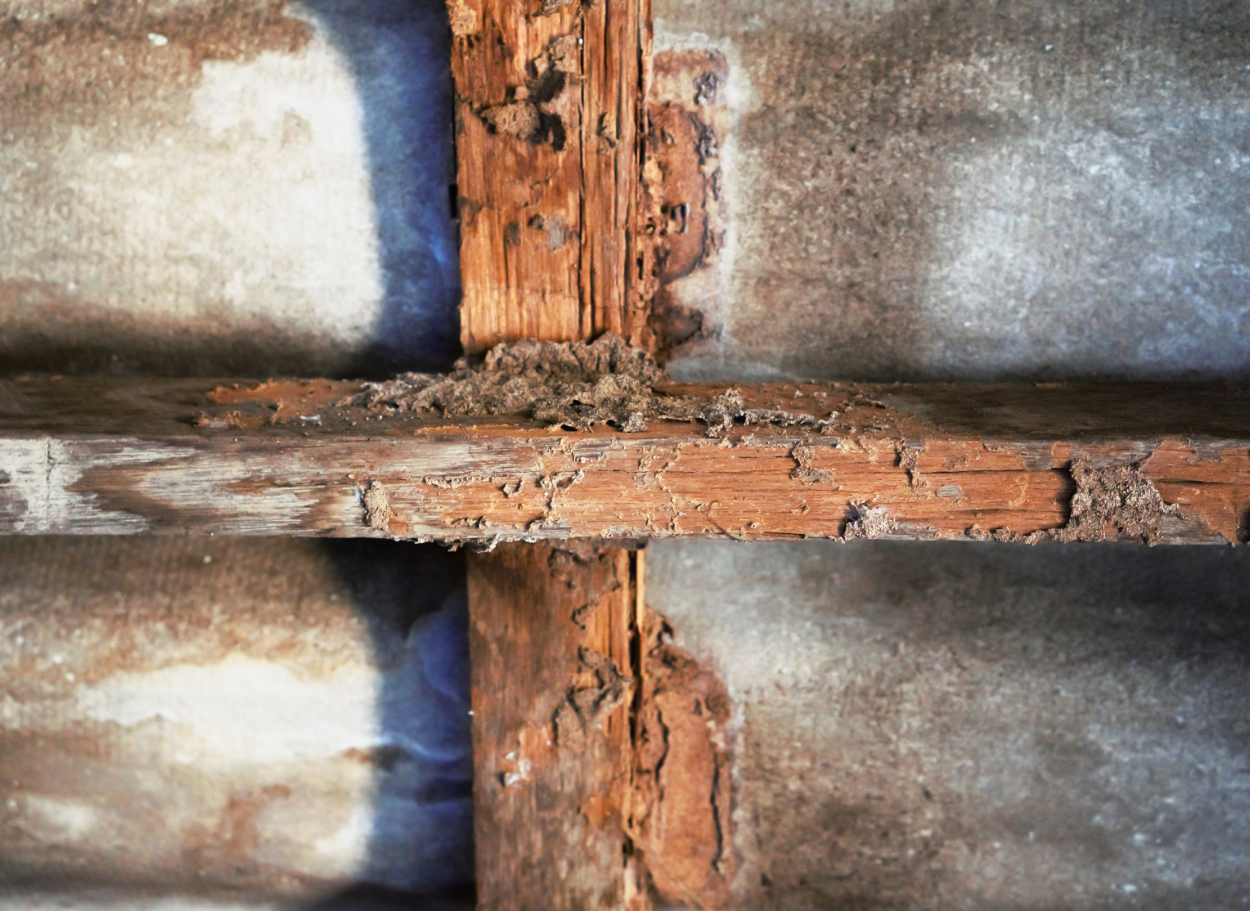
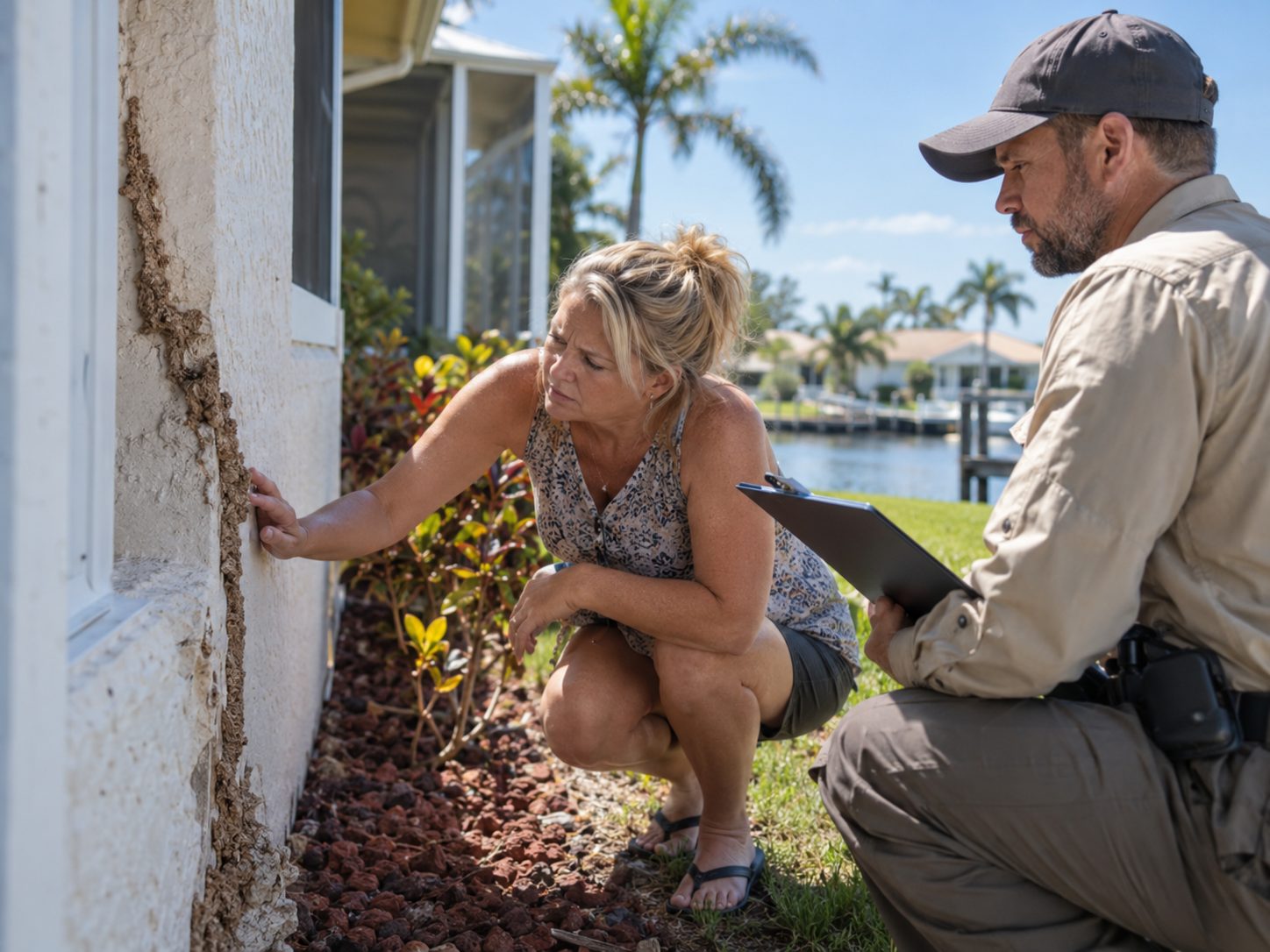
Timing matters more with termites than most homeowners realize. People often call for help when they see mud tubes on a foundation wall, a swarm of winged insects near a window, or wood that suddenly feels papery under paint. By then, the conversation is no longer about prevention. It is about containing damage, confirming the extent of the infestation, and deciding how aggressive the treatment needs to be.
The better question is not simply when termites are most active. It is when booking termite control services gives you the best chance to prevent a problem, secure a convenient appointment, and spend money wisely. Those are not always the same season.
In practice, the best time of year to book termite control services is usually late winter through spring for inspections and preventive work, and as soon as possible for any active infestation. That short answer is useful, but it leaves out the realities that affect real homes: climate, species, local building conditions, moisture patterns, remodeling plans, and even the age of the property. A house in a humid Gulf Coast neighborhood behaves differently from a dry-climate home with a slab foundation. A crawl space with poor drainage creates a different risk profile than a well-ventilated basement.
The smartest approach starts with understanding how termite activity and service scheduling line up across the year.
Why timing changes the outcome
Termites do not follow a homeowner’s calendar. They respond to soil temperature, moisture, food availability, and colony pressure. Subterranean termites, which cause the majority of structural termite problems in many parts of the United States, live in the soil and move into structures when conditions support it. Drywood termites, more common in warmer coastal and southern regions, behave differently and do not need contact with soil in the same way. That distinction matters because “best time” depends partly on what kind of termite risk you actually have.
From a service standpoint, there are three goals people usually care about. First, catch activity before visible damage develops. Second, avoid the seasonal rush that makes scheduling harder. Third, choose a treatment window that makes the inspection and any Termite Control Services follow-up work more effective.
That is why the most practical answer is not one month, but a window. Late winter and early spring tend to be ideal for many homes because pest control companies can inspect before peak swarm season, identify conducive conditions, and put preventive measures in place before colonies announce themselves. If a property already has signs of infestation, though, waiting for the “ideal season” is a mistake. Active termites should be addressed immediately, regardless of the month.
What makes late winter and spring such a strong booking window
In many regions, termite swarm season begins in spring, sometimes earlier in warm climates. Swarmers are the winged reproductive termites people notice around windowsills, door frames, garages, or porch lights. Seeing them indoors often means a colony is established in or very near the structure. Outdoor swarms can be less alarming, but they still signal local termite pressure.
Booking termite control services before or at the beginning of that seasonal surge gives homeowners an edge. An inspector has a better chance to evaluate the property before landscaping grows dense, before heavy summer scheduling fills up calendars, and before minor issues turn into larger repair bills. It is often easier to spot vulnerable areas when the house has not yet entered the busiest maintenance season.
There is also a practical business reason. Spring is busy, but the earliest part of it can still be manageable. Once swarm calls start pouring in, companies spend a large portion of their schedule on urgent inspections. Homeowners who wait until neighbors are posting swarm photos in the local community group are booking into a crowded system. If you are planning preventive termite control services rather than reacting to an emergency, getting ahead of that wave usually works in your favor.
I have seen this repeatedly with older homes that have a history of moisture issues. The owners often intend to “get around to” a termite inspection after the holidays or once the weather warms up. Then spring arrives, one rainy stretch leads to damp soil around the foundation, swarmers show up in a bathroom window, and what should have been a calm inspection becomes a rush job. The difference in cost and stress can be significant.
Summer is active, but not always strategic for routine booking
Summer can be a high-activity period for termites, especially where heat and humidity remain steady. It is also the season when a lot of homeowners are juggling travel, exterior projects, and expensive cooling bills. For pest control companies, summer often means dense schedules. Emergency calls, recurring service visits, mosquito work, and termite inspections all compete for the same appointment slots.
That does not make summer a bad time for termite control services. It just makes it less ideal for routine planning. If you need an annual inspection and you missed the spring window, summer is still far better than doing nothing. An experienced technician can inspect effectively in summer, and many treatments can be performed successfully then. But homeowners should expect less flexibility on timing and, in some markets, longer waits for non-urgent appointments.
There is another wrinkle. Summer landscaping can obscure important visual clues. Thick mulch piled too high, overgrown shrubs pressed against siding, stacked firewood, and dense groundcover can limit visibility around the foundation. Those are manageable obstacles, but they can slow the inspection and sometimes hide the very conditions that attract termites.
Where summer becomes especially important is in follow-up. If a spring inspection identified conditions such as poor drainage, leaking hose bibs, wood-to-soil contact, or moisture in a crawl space, summer is often when those corrections either get made or get ignored. The service itself matters, but the supporting repairs matter just as much.
Fall is underrated for prevention
Homeowners do not always think of fall as termite season, which is exactly why it can be a smart time to book. The panic level drops, service calendars may open up, and there is enough time to inspect and treat before winter sets in. In some areas, termite activity continues well into fall because soil temperatures remain mild. Even where visible swarming is less common, colonies do not simply vanish when the leaves change color.
Fall inspections are particularly useful for people who bought a home during the spring or summer rush and want a more careful evaluation after move-in. Real estate transactions often compress inspections into a stressful timeline. A separate termite inspection in fall, once furniture is in place and renovation plans are clearer, can reveal vulnerabilities that were not addressed earlier.
This is also a sensible season for owners of rental property. Tenants may be more likely to report issues after summer travel settles down, and property managers can coordinate inspections before winter weather complicates access to crawl spaces or exterior perimeters. For multi-unit properties, the quieter pace of fall often allows for better scheduling and more thorough communication.
If spring is the season for getting ahead of termite pressure, fall is the season for resetting the property and correcting what summer exposed.
Winter can be the best time, if your goal is planning
Winter sounds counterintuitive to people who associate termites with warm weather. Yet for booking termite control services, winter can be one of the most strategic times of year. In many markets, this is when homeowners have the best access to their preferred provider, the most flexibility in appointment times, and the clearest chance to build a prevention plan before swarming starts.
The key is understanding what winter can and cannot do. A winter inspection may not coincide with visible swarm activity, but trained technicians are not relying only on swarmers. They look for mud tubes, damaged wood, high-moisture conditions, Termite Control Services entry points, foundation gaps, plumbing leaks, and structural details that increase risk. For preventive work, this can be enough to make winter extremely productive.
Where winter is less ideal is when frozen ground, snow cover, or saturated conditions limit access in colder regions. Even then, booking the inspection during winter still has value, because it reserves a place on the calendar and starts the conversation about risk. If treatment needs to be timed around weather or soil conditions, you are already ahead instead of scrambling in peak season.
I often recommend winter booking to homeowners who know they have one or more risk factors but have not seen visible evidence yet. That includes homes with crawl spaces, recent drainage issues, old tree stumps near the foundation, or additions where wood elements sit too close to grade. Waiting until “termite season” to ask questions usually means waiting until everyone else is asking the same questions.
The answer changes by region
Climate matters enough that national advice can mislead people. In the Southeast, termite pressure can remain high for much of the year. In parts of the Southwest or West Coast, drywood termite concerns may shape the schedule differently. In colder northern states, visible activity may feel more seasonal, but subterranean termites are still capable of causing damage over time.
A coastal home with high humidity, mature landscaping, and frequent rain may justify a more aggressive inspection cadence than a newer home in a drier inland area. Likewise, a slab-on-grade home presents different inspection challenges than a raised foundation or basement home.
This is where local experience matters. A company that works your area every day will know when swarm calls typically begin, what species dominate locally, how soil type affects treatment choices, and whether certain neighborhoods have recurring pressure because of drainage patterns or older construction methods. Good termite control services are not just about chemicals or bait stations. They are about judgment applied to local conditions.
When you should not wait for a better season
If you notice signs that suggest active termites, the best time to book termite control services is today. The calendar stops mattering once there is a reasonable chance that a colony is feeding on the structure.
Common red flags include:
- Pencil-width mud tubes on foundation walls, piers, or crawl space supports
- Winged insects indoors, especially near windows, doors, or light sources
- Discarded wings on sills or floors
- Wood that sounds hollow or blisters under paint
- Tight-fitting doors or warped trim in areas with no obvious moisture damage
Those signs do not all guarantee termites, but each one deserves prompt evaluation. Delaying because you heard spring is the “right” season can cost you months of additional activity. Termites rarely pause out of courtesy.
I once saw a homeowner postpone an inspection until early spring because the family was hosting holidays and did not want service calls in the house. By the time the inspection happened, what looked like a small issue near a garage wall had spread into framing around an adjacent utility area. The treatment itself was manageable. The carpentry bill was the part they regretted.
Booking early can save money, but not always in the way people expect
People sometimes assume timing affects termite service pricing the same way it affects airfare or hotel rates. That is not usually how this works. Some companies may run seasonal promotions, and local competition can influence pricing, but the larger financial impact comes from catching issues earlier and avoiding secondary repairs.
An annual or preventive inspection is relatively modest compared with replacing damaged trim, repairing sill plates, opening walls, or correcting moisture problems that were left unresolved. Even when treatment costs are similar across seasons, the total project cost can rise if the infestation goes unnoticed longer.
There is also the cost of limited options. If you book in a rush during a peak season, you may feel pressure to make decisions quickly. Booking during a calmer period gives you time to compare treatment approaches, review warranty details, and ask better questions about follow-up inspections.
How to choose the right booking window for your situation
The best month depends on what kind of homeowner you are and what your property is telling you. A practical way to think about it is this:
If you have never had a termite inspection and you own an older home, book before spring if possible. If you had treatment in the past and need routine follow-up, stay on the annual schedule your provider recommends, even if that falls in summer or fall. If you are buying or selling, inspect during the transaction and consider a separate post-closing review if the timeline was rushed. If you have any sign of activity, do not wait at all.
These property conditions usually justify earlier scheduling rather than later:
- Chronic moisture near the foundation or in the crawl space
- Wood siding, lattice, steps, or framing elements close to soil
- Previous termite history on the property
- Dense mulch, heavy vegetation, or poor exterior drainage
- Renovations that exposed framing or changed grading around the home
Notice that none of these factors depend strictly on the month. They are risk multipliers. A house with three of them should not be managed the same way as a dry, newer home with clear clearance around the foundation.
Preventive service works best when it is tied to maintenance
A termite technician can do excellent work and still be undermined by unresolved water issues or hidden access points. The strongest outcomes happen when termite control services are paired with maintenance decisions that reduce termite pressure over time.
That might mean redirecting downspouts farther from the foundation, fixing a slow exterior faucet leak, removing scrap lumber stored against the house, improving crawl space ventilation or moisture control, or trimming back shrubs to expose the foundation line. None of those steps replace professional service. They make professional service more effective.
This is one reason I like early-year scheduling for many homes. It creates a maintenance calendar. Inspect first, identify weak spots, correct them during the drier and more active home-project months, then reassess before the next high-risk season. The house gets managed, not merely treated.
Real estate, remodeling, and seasonal planning
There are three moments when termite booking deserves extra attention: buying a home, planning renovations, and recovering from water problems.
In real estate, the pressure to close can lead people to treat the termite inspection as a box to check. That is understandable, but it can be shortsighted. If there is any indication of prior damage, inaccessible areas, or moisture issues, a second, more deliberate inspection after closing is wise. The best season for that follow-up is often the first available one, not six months later.
Before remodeling, especially when work involves replacing siding, opening walls, or modifying decks and porches, it makes sense to book termite control services. Exposed structural components can reveal hidden activity, and treatment planning is often easier before new finishes cover everything back up.
After a plumbing leak, drainage failure, or crawl space moisture event, termite risk can rise. Wet wood and damp soil are invitations. In those cases, book once the moisture source is identified or repaired, even if it is not the “usual” termite season.
What a smart homeowner should do next
The best time of year to book termite control services is the season before you need them urgently. For many homes, that means late winter through spring. For others, especially in warmer climates or on high-risk properties, it means staying proactive year-round. And if you see signs of activity, the best time is immediately.
A good termite plan is not complicated. It is timely, local, and realistic. It respects how termites behave in your area, how your house is built, and how small maintenance issues can widen into structural costs if no one pays attention. Homeowners who approach termite service this way usually spend less over the long run, face fewer surprises, and make decisions from a position of control rather than panic.
That is the real value of timing. It is not about chasing a perfect month on the calendar. It is about giving yourself the advantage before termites take it away.
Maximum Pest Control
836 NE 7th Terrace Suite #5
Cape Coral, FL 33909
+1 239-772-7363
FAQ About Termite Control Services
What are two signs of a termite infestation?
Mud tubes along a foundation and piles of shed wings near doors or windows are two signs to investigate. Mud tubes are associated with subterranean termites. A licensed inspector can identify the insect and assess whether there is active infestation.
How many years does a termite treatment last?
There is no single timeline for all treatments. The method, site conditions, and maintenance affect how long protection lasts. Bait systems rely on monitoring and service. Ask the provider for the recommended inspection schedule and the terms of any coverage.
Is Termite Treatment Expensive in Cape Coral?
Cost depends on the termite species, the size and construction of the property, the extent of activity, and the treatment method. Request a written estimate after inspection and ask whether monitoring, follow-up visits, and renewals are included.