Comparing Residential and Commercial Termite Control Services
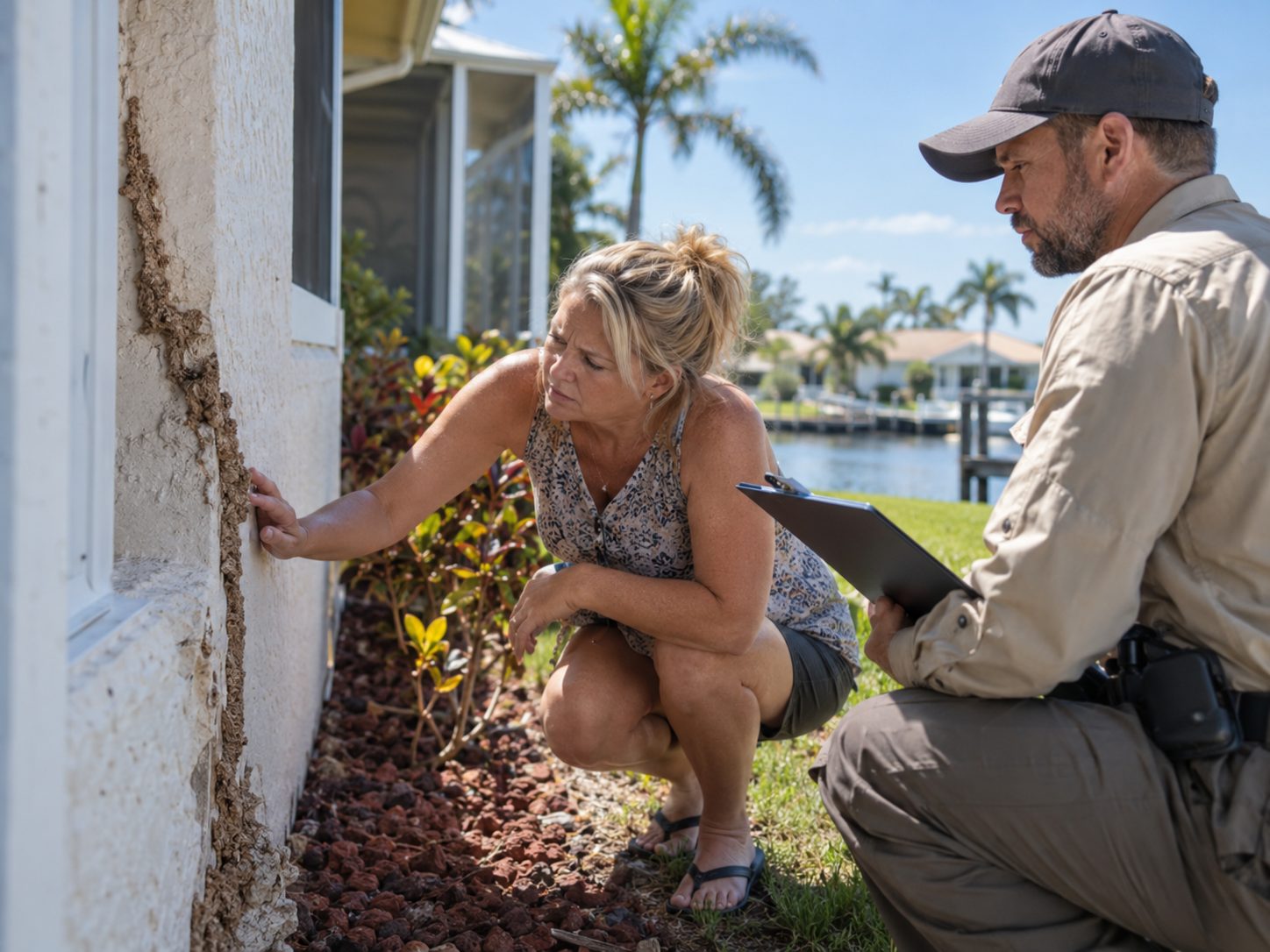
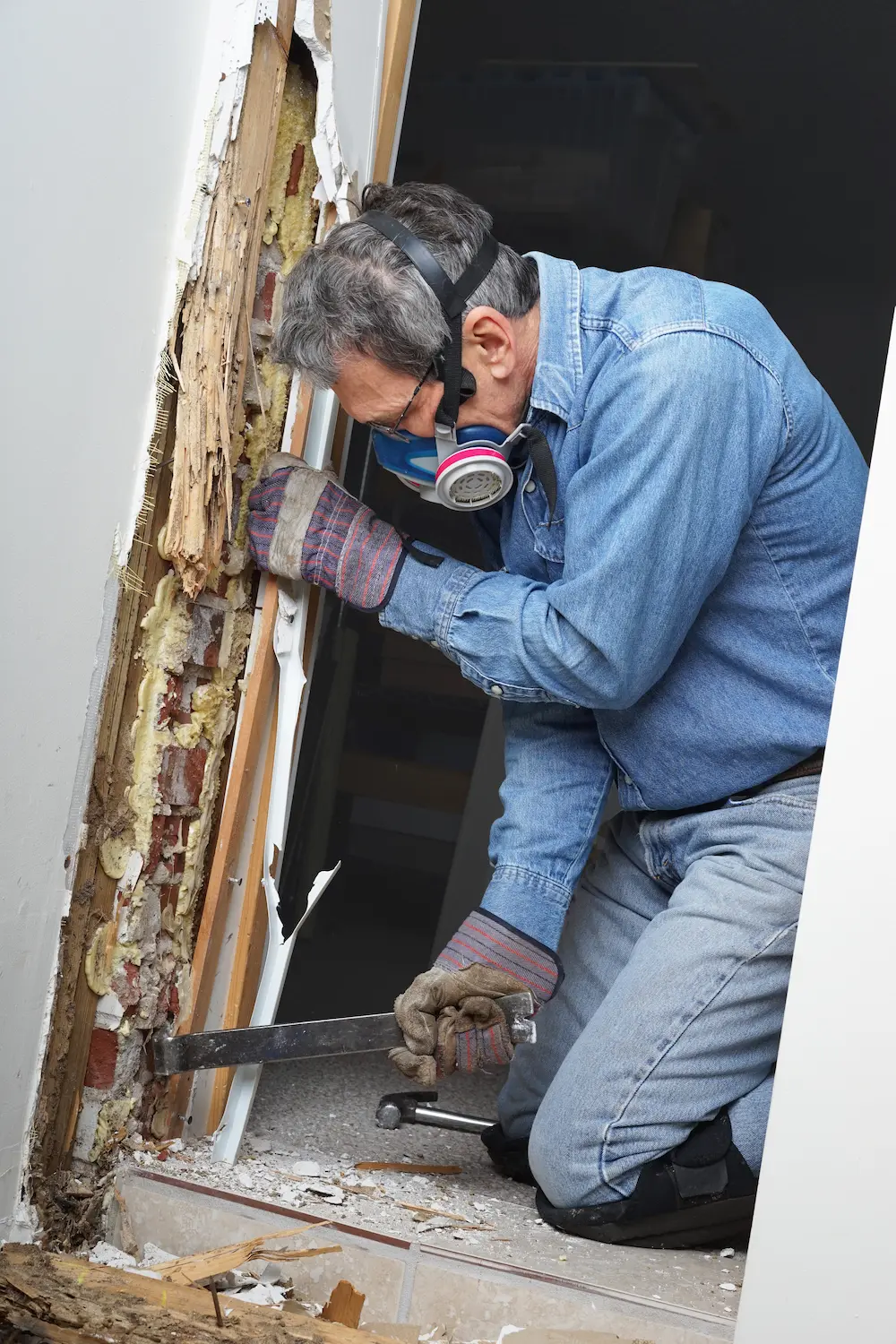
Termites do not care whether a structure is a family home, a corner restaurant, a warehouse, or a medical office. Wood, moisture, shelter, and time are enough. What changes from one property type to another is not the appetite of the insect, but the strategy required to find it, stop it, and keep it from returning.
That distinction matters more than many owners realize. People often assume termite work is basically the same job performed on a different scale. In practice, residential and commercial termite control services differ in inspection methods, risk tolerance, reporting standards, scheduling, treatment access, and the level of documentation needed after the work is done. A technician can use the same core science on both, but the service model has to adapt to the building and the business behind it.
If you are comparing providers, or trying to understand why quotes and recommendations vary so much, it helps to know where those differences come from.
The pest is the same, the stakes are not
At a biological level, termite control starts from familiar ground. Subterranean termites need contact with soil and moisture. Drywood termites need sound wood and protected space. Both can stay hidden long enough to cause significant damage before the owner notices anything more dramatic than a blister in paint, a sticking door, or a few discarded wings near a window.
The practical stakes, however, are very different in a house than in a commercial property.
In a home, the immediate concerns are structural integrity, repair cost, resale implications, and the stress of having treatment crews work around family routines. In a commercial setting, termite activity can affect tenant agreements, insurance questions, brand reputation, inventory storage, health and safety procedures, and legal responsibilities to occupants. A homeowner may be worried about whether a treatment requires moving patio furniture or drilling through a finished slab. A hotel manager may be worried about whether treatment can be completed floor by floor without disrupting bookings or creating guest complaints.
I have seen owners of small office buildings underestimate this difference. They assumed the termite service would look like an expanded home treatment, only to learn that the real challenge was not chemistry or equipment. It was coordinating access to eight leased suites, documenting conditions for each tenant, and scheduling work so no one had to shut down a payroll office on a Monday morning.
How inspections differ from the start
A residential termite inspection is usually more straightforward, though not always easy. The technician is often dealing with one decision-maker, a limited footprint, and a smaller number of structural zones: exterior perimeter, crawl space or slab edge, attic if accessible, garage, utility penetrations, and interior rooms where moisture or wood contact raises concern.
A commercial inspection rarely enjoys that simplicity. The building may have multiple construction phases, additions, utility trenches, loading docks, landscaping islands against the foundation, suspended ceilings, service corridors, elevator pits, storage rooms, and restricted spaces that require escorts or appointments. In a single commercial site, the inspector may need to consider customer-facing areas, back-of-house operations, mechanical rooms, common areas, and leased spaces with separate responsibilities.
This changes the inspection itself. In homes, inspection time might be measured in one to three hours, depending on size and complexity. In commercial properties, that timeline can stretch much longer, especially when records are incomplete or access is partial. It is not unusual for a commercial inspection to happen in phases, with a preliminary walkthrough followed by scheduled return visits to inspect locked or occupied areas.
The report tends to differ as well. A homeowner usually needs a clear explanation of findings, treatment options, and what preparation is required. A commercial client often needs a more formal record: diagrams, area-specific findings, photographs, recommendations tied to operational constraints, and a service scope that can be reviewed by property managers, facilities teams, or legal counsel.
Construction type changes the treatment plan
One of the biggest differences between residential and commercial termite control services is the building itself. Houses are often wood-frame structures with predictable access points. Commercial buildings can include tilt-up concrete, steel framing, masonry veneers, slab-on-grade construction with thickened edges, decorative facades, rooftop equipment, and utility layouts that complicate treatment.
This matters because termite control is rarely a one-size-fits-all application. A liquid soil treatment around a detached single-family home may be relatively direct if trenching and drilling access are clean. The same approach in a restaurant strip center becomes more delicate. You may have shared walls, grease lines, decorative concrete, sidewalks, and a neighboring tenant who does not want any interruption near their storefront.
Baiting systems can be excellent in both settings, but they also depend on property conditions. A suburban home with a manageable perimeter may allow consistent station placement and straightforward monitoring. A commercial site with wide paved areas, irregular landscaping, or limited green strips may need a hybrid approach, combining bait stations where feasible and localized corrective treatment where risk is concentrated.
Drywood termite work creates its own divide. Spot treatments inside a home may be practical when infestation is localized and accessible. In commercial spaces, access to infested wood can be harder because the material is boxed in behind millwork, dropped ceilings, or finished wall systems that owners do not want disturbed during business hours. In some cases, the best technical solution has to be balanced against tenant disruption and finish restoration costs.
Residential service is often more personal and more visible
Homeowners experience termite work at close range. They see the drill holes in a garage slab. They hear the technician explain why mulch piled against siding is a problem. They are the ones deciding whether to move stored items from a crawl space and whether to pay now for a prevention plan that feels abstract until damage appears.
That makes communication a central part of residential service. A good provider has to translate technical details into decisions a homeowner can make with confidence. If moisture readings suggest elevated risk but no visible damage is present, the explanation must be calm, specific, and practical. Homeowners need to know what was found, what was not found, what treatment can and cannot accomplish, and what conditions on the property should be corrected independently of the pest service.
In residential settings, aesthetics also matter more than some contractors expect. A homeowner will notice whether station lids sit level with the lawn, whether drilled areas are patched neatly, and whether interior access was handled respectfully. The quality of the experience shapes trust almost as much as the technical result.
Commercial service is operational management as much as pest control
Commercial termite work depends on technical skill, but it also depends on logistics. The service team is not just treating a structure. They are operating inside a business environment.
A warehouse may need treatment routes planned around forklifts and inventory racks. A school may require work after Termite Control Services students leave, with strict rules about entry, documentation, and material storage. A healthcare facility may need infection control procedures, escort protocols, and detailed records of every area serviced. A multifamily property may need notices to residents, unit entry coordination, and phased treatment across buildings over several weeks.
This is where commercial termite control services justify the higher planning cost that often shows up in proposals. The provider is accounting for labor that does not involve applying product but is still essential to a successful outcome: meetings with managers, site mapping, tenant communication, after-hours scheduling, and progress reporting.
A property manager once described commercial termite service to me as "part treatment, part choreography." That was accurate. On larger sites, the wrong sequence can create unnecessary drilling, repeat visits, and frustrated tenants. The right sequence saves money, even if the estimate looks more expensive on paper at first.
The cost gap is about complexity, not just size
Owners often compare residential and commercial pricing and assume the commercial number is inflated because the building is bigger. Size is part of it, but complexity usually drives the difference more than raw square footage.
Here is a practical comparison:
| Factor | Residential termite service | Commercial termite service | |---|---|---| | Decision-making | Usually one owner or household | Often manager, owner, tenants, facilities, compliance staff | | Access | Simpler, fewer restricted areas | Multiple locked, occupied, or sensitive areas | | Scheduling | Daytime appointments often workable | May require nights, weekends, phased work | | Documentation | Basic report and warranty details | Detailed records, maps, follow-up reporting | | Treatment obstacles | Landscaping, slab sections, crawl spaces | Shared walls, heavy paving, operations, tenant disruption |
Two buildings of similar perimeter length can produce very different labor costs if one is a detached home and the other is a retail suite in a fully occupied center. In the second case, the crew may spend hours coordinating access, protecting finished surfaces, or returning for missed units.
Another cost factor is risk concentration. A house may have a manageable amount of exposed trim, one kitchen, and one utility room. A commercial property may contain extensive wood trim, storage pallets, paper records, break rooms with plumbing, and multiple utility penetrations. More risk points mean more inspection time and often more frequent monitoring.
Warranties and service agreements are not interchangeable
Many homeowners are familiar with annual termite renewals, where the company inspects periodically and maintains a treatment warranty under defined terms. Commercial agreements can look similar on the surface, but they often involve more custom language and narrower responsibilities.
In residential work, the warranty might focus on retreatment if termite activity returns, or in some cases a repair bond if the contract includes one. The terms usually hinge on annual renewals, maintaining accessible conditions, and not altering the structure in ways that compromise the treatment zone.
In commercial contracts, the language may have to account for tenant improvements, additions, excavation, changing occupancy, landscaping changes, or sections of the property that are outside the provider's service scope. A shopping center owner may be responsible for the exterior treatment zone, while each tenant controls interior access and build-out modifications. If a tenant cuts through slab areas for plumbing changes without notifying the provider, the treatment integrity may be affected in ways the original contract did not contemplate.
This is why commercial clients should read service agreements more closely than they often do. The most important line is not always the annual price. It is the exact definition of what is covered, what triggers a return visit, and who must notify whom when the building changes.
Timing and disruption can determine the best treatment option
In homes, treatment timing is usually built around family convenience. The questions are familiar: Do we need to be home? Can the dog stay in the yard? How long before we can move furniture back? Can the work happen before the house goes on the market?
Commercial timing is a more strategic exercise. A restaurant may need work before opening, after closing, or on a day Maximum Pest Control Termite Control Services when grease trap maintenance is already scheduled. A law firm may need quiet zones protected from drilling noise during client meetings. A hotel may need room blocks temporarily taken out of service. Even when the technical treatment is sound, poor scheduling can create avoidable business losses.
This is one reason a strong commercial provider will ask operational questions early. What are the busiest hours? Which areas are mission-critical? Are there lease restrictions? Who can authorize access? Is there a maintenance shutdown window coming up that makes treatment easier? These questions can seem administrative, but they directly affect whether the plan is realistic.
Documentation standards are usually higher in commercial settings
A homeowner often wants a clear summary and a warranty certificate. A commercial owner may need records that stand up to scrutiny from investors, insurers, auditors, franchise systems, or prospective buyers.
For that reason, commercial termite control services typically produce more detailed documentation, sometimes including annotated site plans, unit-by-unit notes, treatment maps, photos of conditions conducive to infestation, and logs of inaccessible areas. This matters when properties change hands or when a management company has to show due diligence over time.
I have seen this become a major issue during transactions. A seller may say, truthfully, that the building has been under regular termite service for years. If the records are thin, the buyer's team may still demand new inspections, holdbacks, or repairs before closing. By contrast, good documentation creates confidence. It shows not just that a service was paid for, but that the property was actively managed.
Prevention looks similar, but the follow-through differs
The fundamentals of termite prevention do not change much between homes and businesses. Moisture control, wood-to-soil clearance, leak repair, drainage correction, and regular inspections remain the backbone. What changes is how consistently those tasks get handled.
In a home, preventive success often depends on the habits of one household. Someone needs to keep firewood off the siding, fix the hose bib that drips, and avoid burying weep holes with mulch. The challenge is awareness.
In a commercial setting, preventive success depends more on systems. There may be janitorial staff, landscapers, maintenance contractors, tenants, and managers all affecting the conditions that termites exploit. A landscaper who piles mulch against a storefront, or a tenant who reports a leak late, can undermine a well-designed treatment plan. Commercial prevention works best when responsibilities are assigned and reviewed, not merely suggested.
For both property types, these conditions deserve attention because treatment alone cannot compensate for chronic construction or moisture issues:
- Soil or mulch bridging siding, stucco, or veneer lines
- Persistent leaks from plumbing, irrigation, or roof drainage
- Wood debris, form boards, or scrap lumber left in contact with soil
- Dense landscaping that blocks inspection access along the foundation
- Unsealed utility penetrations and expansion joints with moisture intrusion
That short list solves more termite problems than many owners expect. A treatment can eliminate an active colony, but if conducive conditions remain, the property still advertises itself to the next one.
Multi-unit housing sits in the middle
Apartment buildings, condominiums, and townhome communities often blur the line between residential and commercial termite control services. The occupants live there, so the work has a residential feel. The ownership and logistics, however, are commercial.
This hybrid setting creates special complications. Access is fragmented across many units. Responsibilities may be split between an association and individual owners. Treatment may need to move from common areas to private interiors and back again. Communication becomes critical because one inaccessible unit can disrupt continuity for an entire stack of adjoining spaces.
The best providers treat these sites as operationally commercial but communicate with residents as carefully as they would with homeowners. That means clear notices, realistic appointment windows, clean workmanship, and patient explanations of what tenants can expect.
Choosing the right provider for either setting
A company that handles homes well is not automatically equipped for commercial projects. The reverse is also true. Some firms are excellent at large-site management but less attentive to the homeowner experience.
When comparing providers, look beyond the basic promise to "get rid of termites." Ask how the inspection is performed, who writes the report, whether the treatment plan is customized to the construction type, and how follow-up is handled. For commercial properties, ask who manages tenant coordination, what documentation is included, and whether the company has experience with your occupancy type. A warehouse, daycare, historic property, and retail center each present different constraints.
Good termite work is rarely flashy. It is methodical. The provider notices subtle evidence, explains options honestly, protects the treatment zone, returns when monitoring demands it, and keeps records that make sense months later. Those habits matter in any structure. In commercial settings, they matter even more because the consequences of confusion are larger and more expensive.
What owners should expect, regardless of property type, is not a generic service package but a plan shaped by the building's risk profile. That is the real dividing line between residential and commercial termite control services. The insects may be the same. The service should not be.
Maximum Pest Control
836 NE 7th Terrace Suite #5
Cape Coral, FL 33909
+1 239-772-7363
FAQ About Termite Control Services
What are two signs of a termite infestation?
Mud tubes along a foundation and piles of shed wings near doors or windows are two signs to investigate. Mud tubes are associated with subterranean termites. A licensed inspector can identify the insect and assess whether there is active infestation.
How many years does a termite treatment last?
There is no single timeline for all treatments. The method, site conditions, and maintenance affect how long protection lasts. Bait systems rely on monitoring and service. Ask the provider for the recommended inspection schedule and the terms of any coverage.
Is Termite Treatment Expensive in Cape Coral?
Cost depends on the termite species, the size and construction of the property, the extent of activity, and the treatment method. Request a written estimate after inspection and ask whether monitoring, follow-up visits, and renewals are included.